About Centerton Concrete Contractor: Your Local Experts
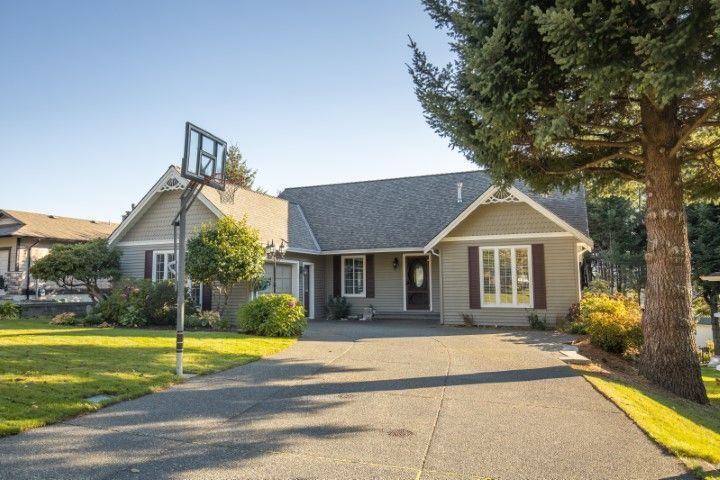
Hiring someone to work on your property requires a certain amount of trust. Concrete projects can involve excavation, heavy equipment, demolition, construction traffic, and a finished product that may remain in place for decades. You should understand what you're paying for, why the work is being done a certain way, and what you can realistically expect from the finished concrete. That's the approach we take at Centerton Concrete Contractor. We provide residential and commercial concrete services throughout Centerton, Arkansas with an emphasis on practical recommendations, clear communication, and proper installation.
What We Value:
- Straightforward Recommendations
- Proper Preparation
- Clear Communication
- Attention to the Details That Matter
- Realistic Expectations
- Respect for Your Property
Our Approach to Concrete Work
Concrete is relatively simple as a material, but producing a good finished project requires getting many smaller decisions right. Site preparation, drainage, base conditions, concrete thickness, reinforcement, control joints, finishing, and curing can all affect how a slab performs. Some of those details disappear completely once the project is finished, which is exactly why they shouldn't be ignored.
Our approach is to understand the purpose of the project before deciding how it should be built. A homeowner replacing a driveway has different concerns than someone adding a backyard patio. A hot tub pad needs to support a concentrated load and meet the equipment manufacturer's requirements, while an exterior walkway needs appropriate grading and a surface that provides reasonable traction. Commercial concrete can introduce additional considerations involving traffic, equipment, accessibility, scheduling, and operating around an active property. Rather than applying the same specification to every project, we consider what the concrete actually needs to do.
Why Local Conditions Matter
Concrete installed in Centerton has to perform through the conditions common to Northwest Arkansas. Summers can be hot, winter temperatures can fall below freezing, and substantial rainfall makes drainage an important consideration around homes and businesses. Those conditions don't require some secret type of “Arkansas concrete,” but they do make proper construction practices important.
Water is one of the first things we consider when evaluating an exterior project. A new patio shouldn't direct runoff toward the foundation. A driveway shouldn't unintentionally create a low spot where water continually collects. Areas with erosion, disturbed soil, or poor drainage may need additional preparation before concrete is installed. Seasonal temperature changes matter as well because concrete expands, contracts, and shrinks. Appropriate control joints and installation practices help manage that natural movement.
Centerton itself is also changing quickly as development continues throughout the Bentonville and Northwest Arkansas area. Projects range from improvements to established properties near the center of Centerton to new homes and businesses around the city's expanding residential and commercial areas. The condition of the site matters more to us than whether the property is new or old.
What You Can Expect From Us
One of our priorities is making concrete work easier to understand. Most property owners don't need to know every technical detail involved in placing concrete, but they should know enough to make informed decisions about their project. If there are several reasonable options, we'll explain the differences. If an upgrade is primarily decorative rather than necessary for performance, we'll make that distinction clear. If we see a site condition that could affect the work, we want to discuss it before the concrete is poured.
- Practical Recommendations: We recommend solutions based on how the concrete will be used and the conditions of the property rather than automatically recommending the largest or most expensive project.
- Clear Estimates: Concrete pricing depends on factors such as square footage, thickness, demolition, excavation, reinforcement, access, finish, and site preparation. We want the scope of work to be understandable before construction begins.
- Proper Preparation: Much of what determines the performance of concrete is underneath the finished surface. Excavation, grading, base preparation, forms, and reinforcement deserve the same attention as the visible finish.
- Realistic Expectations: Concrete is extremely durable, but it isn't indestructible. It can crack, colors can vary, decorative finishes require maintenance, and repairs don't always disappear completely. We'd rather explain those realities upfront than make promises concrete can't reliably keep.
- Communication During the Project: Weather, site conditions, concrete availability, and other construction variables can sometimes affect scheduling. If something changes or an unexpected condition is discovered, communication is more useful than pretending construction always follows a perfect schedule.
- Respect for the Property: Concrete construction can be disruptive. Depending on the project, there may be demolition debris, excavation, trucks, equipment, and temporary limitations on access. Planning how crews and materials reach the work area helps reduce unnecessary disturbance.
Our Process
The process begins with understanding what you're trying to accomplish. We discuss the project, look at the work area, and identify conditions that may influence the installation. For replacement projects, that includes evaluating the existing concrete and looking for clues about why it failed. For new installations, we consider grade, drainage, access, dimensions, expected loads, and how the new concrete will connect with surrounding surfaces.
From there, we establish the scope and explain the factors affecting the estimate. Once work begins, the site is prepared according to the requirements of the project. Existing concrete may be demolished and removed, unsuitable material addressed, elevations established, the base prepared, forms installed, and reinforcement added when appropriate. Concrete is then placed and finished for its intended application. Control joints are incorporated where needed, and the finished concrete is given time to cure before being subjected to normal use or heavy loads.
That process changes somewhat between a driveway, patio, decorative surface, structural slab, and commercial project. The underlying principle doesn't: preparation comes first, and the visible finish is only one part of a successful concrete installation.
We Won't Tell You Every Slab Needs Replacement
One of the most useful things a contractor can do is distinguish between a problem that needs major work and one that doesn't.
A crack in concrete doesn't automatically mean the slab has failed. Some cracks are primarily cosmetic, while others indicate settlement or movement that deserves closer attention. Likewise, resurfacing isn't appropriate for every deteriorated slab. Putting a new surface over concrete with significant movement underneath it doesn't address the underlying problem.
When evaluating existing concrete, we look at the extent of the damage, differences in elevation, drainage, surface deterioration, and signs of continued movement. Depending on what we find, repair, partial replacement, or complete replacement may be reasonable. The goal is to recommend an approach that makes sense for the condition of the concrete rather than treating demolition as the answer to every problem.
Quality Is More Than the Surface Finish
Fresh concrete can look excellent even when important installation details underneath it weren't handled correctly. That's one reason judging concrete exclusively by its appearance immediately after the pour can be misleading.
We pay attention to the less visible parts of the project: whether the area has adequate support, whether water has somewhere appropriate to go, whether reinforcement is being used correctly, whether joints are positioned appropriately, and whether the slab is suitable for the loads it will experience. Finishing still matters, of course. A driveway needs an appropriate surface for vehicle and pedestrian traffic, a decorative patio requires careful pattern and color work, and an interior slab may have different flatness and finish requirements. But appearance should complement sound construction rather than substitute for it.
Serving Centerton and the Surrounding Area
Centerton sits in one of the fastest-changing parts of Northwest Arkansas, with Bentonville immediately to the east and continued residential development throughout western Benton County. That growth creates a wide range of concrete needs, from driveways and patios for newer homes to replacements, additions, walkways, slabs, and improvements on established properties.
We work with homeowners and businesses on concrete driveways, patios, stamped concrete, slabs, walkways, repairs, and other concrete projects. Some customers already know exactly what they want when they call. Others simply know they have a problem—a cracked driveway, an undersized patio, poor drainage around an existing slab, or an area where they want to build something. Either starting point is fine.
Let's Talk About Your Concrete Project
You don't need to understand concrete construction before contacting a contractor. Tell us what you're trying to accomplish, what concerns you have, and how you plan to use the finished space. We'll help identify the questions that need to be answered and explain the available options.
Whether you're considering a new driveway, backyard patio, stamped concrete surface, concrete slab, repair, or commercial project, the first step is determining what makes sense for the property.
Contact Centerton Concrete Contractor today to discuss your project and request a free, no-obligation estimate.