Expert Concrete Driveway Installation in Centerton, AR
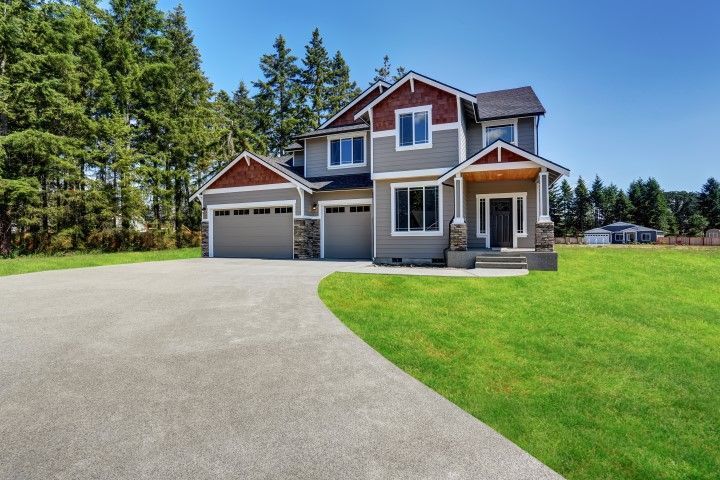

A driveway has to handle more abuse than almost any other concrete surface around a home. Vehicles repeatedly load the same areas, tires turn against the surface, water runs across and underneath it, and Northwest Arkansas weather puts the slab through significant temperature changes throughout the year. If your existing driveway is cracked, settling, too narrow, or simply reaching the end of its useful life, replacing it with properly installed concrete can provide a durable surface designed around how you actually use your property. Centerton Concrete Contractor provides concrete driveway installation, replacement, extensions, and repairs throughout Centerton, Arkansas.
What We Cover:
- New Concrete Driveways
- Driveway Replacement & Extensions
- Decorative Finish Options
- Proper Base Preparation & Reinforcement
- Driveway Repair
- Concrete vs. Other Driveway Materials
- Maintenance & Long-Term Care
Why Proper Driveway Installation Matters
A finished driveway may look simple, but much of what determines its performance is underneath the surface. Before concrete is poured, the area needs to be excavated and graded appropriately, the underlying material needs to provide adequate support, and drainage needs to be considered. Thickness, reinforcement, joint placement, and concrete finishing also need to match the demands placed on the driveway. Cutting corners on these steps can leave you with a driveway that looks good when it's new but develops avoidable problems later.
These details are particularly important around Centerton because Northwest Arkansas receives substantial rainfall along with hot summers and periods of freezing winter weather. Water that reaches poorly draining or inadequately supported areas beneath a slab can contribute to movement, while freezing temperatures can make moisture-related problems worse. Concrete also naturally shrinks as it cures and expands and contracts as temperatures change. No reputable contractor should promise that a concrete driveway in Centerton, Arkansas will never crack. The goal is to prepare, reinforce, place, and joint the slab properly so that this natural movement is managed as effectively as possible.
Concrete Driveway Design & Finish Options
A standard broom-finished driveway remains popular for good reason. It's practical, provides useful traction when wet, and generally costs less than decorative alternatives. However, concrete also gives homeowners several ways to change the appearance of a driveway. This can be particularly useful when a large driveway occupies a significant portion of the front of the property.
- Broom-Finished Concrete: A traditional textured finish that provides traction and works well for everyday residential driveways.
- Stamped Concrete: Patterns and textures can create the appearance of stone, slate, brick, or other materials while retaining a concrete slab underneath.
- Colored Concrete: Pigments or coloring systems can change the traditional gray appearance and coordinate the driveway with surrounding architecture or landscaping.
- Exposed Aggregate: Removing the uppermost layer of cement paste exposes aggregate within the surface, creating a textured decorative finish.
- Borders & Bands: Decorative sections can be incorporated without applying an upgraded finish to the entire driveway.
- Decorative Saw Cuts: Planned cuts can create geometric patterns while adding visual detail to larger areas of concrete.
Decorative options aren't automatically better. They increase the cost of the project and can introduce additional maintenance considerations. If your priority is simply a functional, durable driveway, a properly installed broom-finished slab may be the most sensible choice. If the driveway is a major visual feature of the front of your home, decorative concrete may justify the additional expense.
Our Concrete Driveway Installation Process
Driveway installation begins by determining the dimensions, elevations, drainage, and intended use of the new surface. On replacement projects, the existing driveway is typically broken up, removed, and hauled away before the underlying area can be evaluated. New driveway installations may require excavation and grading to establish the correct elevation. The base is then prepared and compacted as necessary, forms are installed, and reinforcement is placed according to the requirements of the project.
Concrete is then placed within the forms, consolidated and leveled, and finished to create the desired surface. Control joints are installed at planned locations to encourage shrinkage cracks to occur along predetermined lines rather than randomly across large sections of the driveway. After finishing, the concrete begins the curing process. It gains strength gradually, which is why a newly poured driveway shouldn't immediately be subjected to vehicle traffic. We'll explain when you can walk on the surface and when vehicles can safely return based on the concrete and conditions involved with your project.
Driveway Replacement, Extensions & Repairs
Not every driveway project requires starting from scratch. If your existing driveway is in generally good condition but doesn't provide enough parking space, an extension may be possible. This is common for homeowners who need room for an additional vehicle, want easier access to a garage, or have outgrown the original driveway configuration.
Repairs depend heavily on the type and cause of the damage. Small cracks and isolated surface damage may sometimes be addressed without replacing the entire driveway. Significant settlement, widespread cracking, deteriorated concrete, or movement caused by problems beneath the slab can be different. Simply filling a crack doesn't stabilize an inadequate base or correct drainage that is washing material away underneath the driveway. We look at the likely cause of the damage before recommending whether repair, partial replacement, or complete replacement makes the most sense.
Is a Concrete Driveway Right for Your Home?
Concrete is a strong driveway option, but it isn't automatically the right material for every homeowner. Its advantages include a rigid driving surface, relatively low routine maintenance, numerous finishing options, and a long potential service life when the driveway is properly designed, installed, and maintained. Unlike asphalt, concrete doesn't soften during periods of high summer heat and generally requires less frequent surface maintenance.
There are tradeoffs. Concrete typically has a higher initial installation cost than asphalt, requires a curing period before normal vehicle use, and can crack over time. Repairs can also be more visually noticeable because new concrete rarely matches the exact color of an older slab. Asphalt can make sense when lower upfront cost is the main priority, while gravel may be appropriate for certain rural properties or long driveways where paving the entire area isn't economical. We'll help you compare the practical differences rather than assuming concrete is the right answer simply because it's what we install.
What Determines the Cost of a Concrete Driveway?
Driveway pricing depends on much more than square footage. The size of the driveway is an obvious factor, but thickness, reinforcement, demolition, excavation, site access, base preparation, drainage work, and the chosen finish can significantly affect the final cost. A straightforward new driveway on an accessible, properly graded lot will usually be less complicated than replacing an existing driveway that requires extensive demolition or correcting an area with significant drainage and elevation problems.
Decorative finishes also increase costs. Stamped patterns, coloring, exposed aggregate, borders, and complicated shapes require additional materials or labor compared with a standard rectangular broom-finished driveway. That's why we prefer evaluating the actual property before giving homeowners a firm estimate rather than advertising a square-foot price that may not reflect the work their driveway requires.
Maintaining a Concrete Driveway
Concrete doesn't require extensive maintenance, but basic care can help protect the surface. Keep dirt and organic material from accumulating for long periods, clean oil and automotive fluid spills rather than allowing them to soak into the surface, and avoid using harsh chemicals that aren't appropriate for concrete. Deicing products also deserve some caution, particularly on relatively new concrete, because certain chemicals can contribute to surface deterioration during freeze-thaw conditions.
Sealing may be recommended depending on the finish, exposure, and type of concrete. Decorative concrete generally has different maintenance requirements than a basic broom-finished driveway, so we'll explain what applies to the surface you choose rather than recommending unnecessary maintenance.
Planning a New Concrete Driveway in Centerton?
Whether you're replacing a deteriorated driveway, adding parking space, building a new home, or simply trying to determine whether your existing driveway can be repaired, start with an evaluation of the property. We'll look at the condition of the existing concrete, drainage, grade, access, and how you use the driveway before discussing the available options.
Contact Centerton Concrete Contractor today to discuss your driveway project and request a free, no-obligation estimate.