Decorative Stamped Concrete Services in Centerton, AR
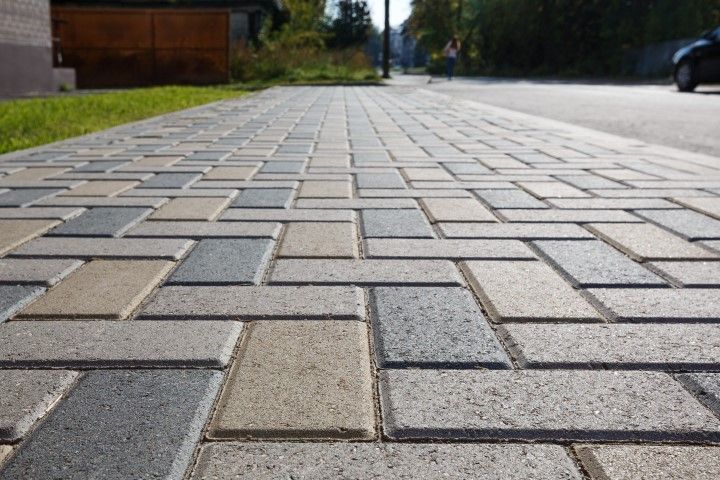

If you like the appearance of stone, brick, slate, or wood but want the continuous surface of poured concrete, stamped concrete can be worth considering. The process combines concrete coloring, textured stamping mats, and finishing techniques to create patterns that resemble other paving materials. Centerton Concrete Contractor installs stamped and decorative concrete in Centerton, Arkansas for patios, walkways, driveways, entrances, and other outdoor surfaces.
Stamped concrete gives homeowners considerably more control over appearance than a standard gray slab, but there are tradeoffs. It costs more than basic broom-finished concrete, typically requires more ongoing maintenance, and the quality of the finished surface depends heavily on installation technique and timing. We help homeowners understand those differences before choosing a pattern or color.
What We Cover:
- Stamped Concrete Patios
- Decorative Driveways & Walkways
- Patterns & Textures
- Concrete Color Options
- Installation & Sealing
- Maintenance Requirements
- Stamped Concrete vs. Pavers
How Stamped Concrete Works
Stamped concrete isn't a separate type of concrete. It is a decorative finishing process performed while freshly placed concrete is still workable. After the slab has been placed and brought to the appropriate elevation, color and release products can be applied and textured mats are pressed into the surface. Those mats create the joints, texture, and irregularities that give the concrete the appearance of individual stones, bricks, boards, or other materials.
Timing matters considerably. Concrete becomes progressively less workable after placement, so the stamping needs to happen during a relatively narrow window. Starting too early can distort the surface, while waiting too long can make it difficult to create a consistent impression. Pattern alignment also matters. A repeating stamp that is slightly misaligned can become obvious across a large patio or driveway, which is one reason decorative concrete requires more specialized finishing work than a basic broom finish.
Stamped Concrete Patterns & Colors
The pattern determines the overall character of the surface, while color and texture determine how convincing and visually interesting the finished concrete appears. We recommend considering the exterior materials and colors already present on the property rather than choosing a pattern by itself. Brick, siding, stone veneer, roof color, landscaping, and surrounding concrete can all influence what looks appropriate.
- Ashlar Slate: Uses rectangular and square shapes with a textured stone appearance. It works particularly well for patios and larger outdoor living areas.
- Flagstone & Random Stone: Creates irregular stone shapes for a less geometric appearance that can work well around landscaping and backyard spaces.
- Cobblestone: Reproduces the smaller, rounded appearance associated with traditional cobblestone paving.
- Brick Patterns: Provides the visual organization of individual bricks without installing hundreds of separate units.
- Wood Plank: Uses long stamps with wood-grain texture to create the general appearance of individual boards while retaining a concrete surface.
- Seamless Texture: Adds stone-like or other texture without creating obvious individual units. This can provide a more understated decorative finish.
- Borders & Accents: Contrasting colors or patterns can define the perimeter of a patio or driveway without making the entire surface visually busy.
Color is just as important as pattern. Base coloring can establish the primary tone, while contrasting release colors can remain in recessed areas and emphasize the texture. Browns, tans, charcoals, and various gray tones are common because they coordinate easily with residential exteriors, but the appropriate combination depends on the property. Samples are useful for establishing a general direction, although homeowners should understand that finished concrete can have natural color variation rather than looking exactly like a manufactured tile.
Our Stamped Concrete Installation Process
Stamped concrete begins with the same fundamentals as other exterior concrete work. The site must be excavated and graded appropriately, the base prepared to support the slab, forms installed, and reinforcement added where required. Decorative finishing can't compensate for poor preparation underneath the concrete. Drainage is equally important, especially for patios and other surfaces immediately adjacent to a home.
Once the concrete is placed, leveled, and prepared for finishing, the decorative process begins. Depending on the selected system, the base color may be incorporated into the concrete or applied to the surface. A release product is used before stamping to help prevent the mats from sticking while also potentially contributing secondary color. Stamping mats are then carefully positioned and pressed into the concrete while it remains workable. Edges, joints, and areas that large mats cannot reach may require additional hand detailing.
After the concrete has hardened sufficiently, excess release material is removed as appropriate and the surface is prepared for sealing. Control joints are also an important consideration. Decorative patterns don't eliminate concrete's natural tendency to shrink and crack, so joints still need to be incorporated into the slab. Their placement should be considered alongside the decorative pattern so they perform their structural purpose without unnecessarily disrupting the design.
Where Does Stamped Concrete Work Well?
Patios are one of the most common applications because homeowners can create the appearance of a more elaborate outdoor living surface without installing individual stones or pavers. Stamped concrete can also work well for walkways, front entrances, pool-adjacent areas where appropriate finishes are selected, and portions of driveways.
Driveways deserve additional consideration because vehicle traffic places more wear on the surface. The slab still needs to be designed as a driveway first; the decorative finish comes second. Thickness, base preparation, reinforcement, joints, and drainage shouldn't be compromised for appearance.
Stamped concrete also isn't necessary everywhere. If an area is largely hidden beneath outdoor furniture or primarily serves a utilitarian purpose, paying for decorative finishing may provide little benefit. Some homeowners choose stamped concrete for a main patio or entrance and use standard broom-finished concrete for less visible walkways and utility areas. That can be an effective way to concentrate the project budget where appearance matters most.
Stamped Concrete vs. Pavers
Stamped concrete and concrete pavers can produce similar visual styles, but they behave differently. Stamped concrete is poured as a slab, so weeds generally don't grow through individual joints in the same way they can between poorly maintained pavers. There are also no individual units that can shift independently.
Pavers have advantages of their own. Individual damaged pavers can often be removed and replaced, and the segmented system can accommodate certain types of movement differently than a continuous concrete slab. If underground work is necessary later, pavers may also be removed and reinstalled in an affected area. Repairing stamped concrete is more difficult to disguise because matching the exact color, texture, and weathering of an existing decorative slab can be challenging.
Cost depends on the materials, pattern, site preparation, project size, and complexity, so stamped concrete shouldn't automatically be described as cheaper than pavers or natural stone in every situation. We can help compare the options based on the actual project rather than relying on a general price claim.
Does Stamped Concrete Crack?
It can. Stamping concrete doesn't change the fundamental behavior of concrete itself. All exterior concrete has the potential to crack as it shrinks, experiences temperature changes, and responds to movement in the ground underneath it.
Good installation is about managing those forces rather than promising they don't exist. Proper base preparation, reinforcement where appropriate, adequate drainage, and correctly located control joints can help reduce problematic cracking and encourage shrinkage cracks to occur in planned locations. Northwest Arkansas experiences both summer heat and freezing winter temperatures, making these installation details especially important for exterior concrete in Centerton.
One disadvantage of decorative concrete is that repairs can be more noticeable. A repaired area may not perfectly reproduce the surrounding pattern and color. That's another reason we put significant emphasis on preparation before the decorative work begins.
Maintaining Stamped Concrete
Stamped concrete generally requires more attention than an ordinary broom-finished slab if you want to preserve its decorative appearance. Routine cleaning removes dirt and organic material that can discolor the surface. Spills should be cleaned reasonably quickly, and harsh chemicals should be avoided unless they are specifically appropriate for the concrete and sealer being used.
Periodic resealing may also be recommended. Sealer can help protect the decorative surface and influence its appearance, but it isn't permanent. Exposure to sunlight, weather, foot traffic, vehicles, and other conditions gradually wears it down. How frequently a surface should be resealed depends on its exposure and use rather than an arbitrary schedule.
Sealer selection also matters for traction. Some decorative surfaces can become slick when wet, particularly when certain glossy sealers are used. Patios, walkways, pool-adjacent surfaces, and other areas regularly exposed to water should be designed with traction in mind. Appearance shouldn't come at the expense of creating an unnecessarily slippery walking surface.
What Does Stamped Concrete Cost?
Stamped concrete generally costs more than standard broom-finished concrete because the decorative process adds materials, labor, and time. Pattern complexity, number of colors, decorative borders, project size, site accessibility, slab requirements, demolition, and preparation all contribute to the final price.
A relatively simple single-color stamped patio will generally involve less decorative work than a project using multiple colors, contrasting borders, complex patterns, and extensive hand detailing. If you're working within a specific budget, we can discuss which decorative features will have the greatest visual impact and where simplifying the design could reduce cost.
Considering Stamped Concrete in Centerton?
Stamped concrete can be a good option when you want the strength and continuity of a concrete slab but prefer something more visually distinctive than a traditional gray finish. The key is choosing the pattern, color, and application based on the property while understanding the additional cost and maintenance that come with decorative concrete.
Whether you're considering a stamped patio, walkway, driveway, or another outdoor surface, we can show you the available options and explain how they affect installation, maintenance, and price.
Contact Centerton Concrete Contractor today to discuss your stamped concrete project and request a free, no-obligation estimate.